The psychology of judgement: Navigating cognitive load and assessor bias
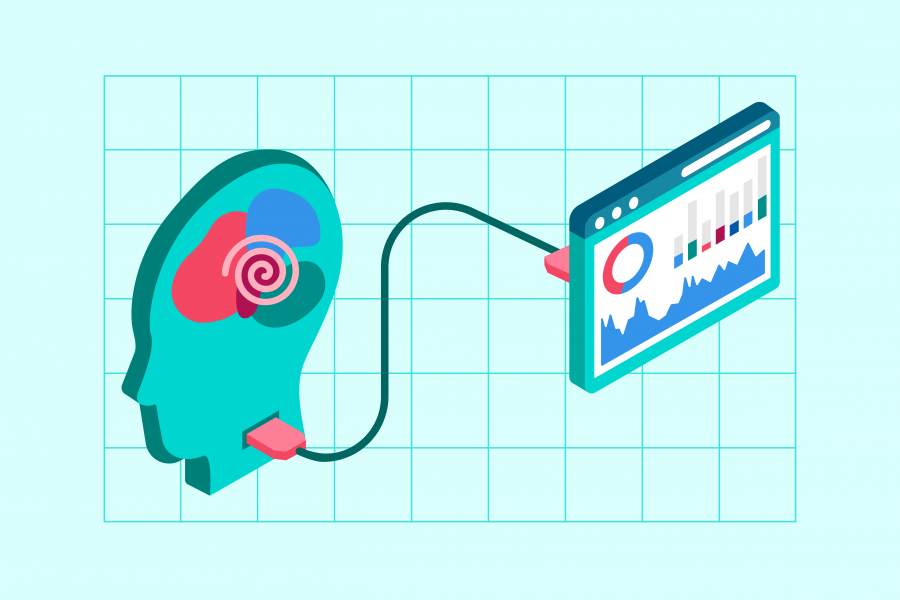
The core of competence-based assessment rests on the assessor’s judgement, yet this moment of observation is arguably the most fragile point in the VET system. The assessor is a human instrument, and unlike a machine, is subject to the limitations of working memory, fatigue, and unconscious biases.
This friction occurs because assessors face extreme cognitive load—the requirement to simultaneously observe a student’s rapid performance, manage the safety of the environment, compare the action against complex performance criteria, and capture detailed evidence in real-time often exceeds human capacity. When working memory is overloaded, the brain naturally resorts to cognitive shortcuts, known as heuristics, to speed up decision-making. While efficient, these heuristics are the direct cause of assessor bias and unreliable assessment outcomes.
The hidden hand: A taxonomy of assessor bias
Training providers must address these biases, as they fundamentally compromise the fairness and reliability of the final competency decision. RTOs are expected to use a self-assurance model to identify and mitigate these psychological risks.
- The halo effect: This occurs when a positive overall impression—perhaps the student is articulate, polite, or performs the first task brilliantly—unconsciously leads the assessor to inflate scores or overlook minor but critical errors in subsequent tasks. The opposite, the "Horns Effect," has the same negative impact, where a poor first impression leads to undue scrutiny.
- Confirmation bias: When the assessor is also the trainer, they bring prior knowledge of the student's learning journey into the final assessment. The assessor may unwittingly search for evidence that confirms their pre-existing belief that the student is competent, or "fill in the gaps" of missing performance evidence. This contaminates the judgement process, violating the rule of evidence regarding authenticity.
- Anchoring bias (primacy/recency): This bias causes assessors to rely heavily on the first or most recent piece of evidence observed when making a holistic judgment. For example, a student’s nervous start might anchor the assessor’s view, making them less receptive to excellent performance later in the task.
The cost of subjectivity: Inter-rater reliability
The direct outcome of unchecked bias is low inter-rater reliability. This means that two qualified assessors observing the same student performing the same task may arrive at completely different judgments due to variations in interpretation.
High inter-rater reliability is essential because employers expect qualifications issued by one provider to represent the same standard of skill as those issued by another to ensure market recognition. Without rigorous procedures like moderation (comparing judgements against clear benchmarks), subjectivity reigns, eroding public confidence in the competence certified. Training assessors to recognise these biases is therefore critical to reducing assessment error and improving judgement accuracy and is a required component of continuous improvement.
Q&A: Mitigating bias in real-time assessment
Q: I often worry that I fail a student because of a subjective "bad attitude" rather than a real technical fault. How do I keep my judgement fair?
A: The challenge lies in assessing non-technical skills like professionalism, attitude, and teamwork, which are highly context-dependent. To maintain fairness, you must replace subjective judgements with clear, agreed-upon benchmarks. Instead of marking "Bad Attitude," the tool should ask: "Did the student follow all established communication protocols with the team?" or "Did the student accept feedback professionally?" This grounds the judgement in observable behaviour, rather than personal perception, making the outcome defensible. This also ensures the rule of evidence regarding reliability is satisfied.
Q: As a trainer who taught the class, is it ethical for me to be the assessor, knowing I might be prone to confirmation bias?
A: While the dual role of trainer/assessor is common, it presents an inherent tension between coaching and judging. The solution is procedural. You must ensure the assessment uses current evidence taken under assessment conditions. To mitigate bias, engage in rigorous moderation of your marked work with an independent assessor to check consistency. RTOs must manage potential conflicts of interest to maintain assessment integrity.
Q: What is the most effective way to improve consistency (inter-rater reliability) across my team of assessors?
A: The most effective method is structured, frequent moderation sessions focused on calibration. This involves: 1) Ensuring all assessors are trained to recognise common biases; 2) Collectively reviewing and agreeing upon the benchmarks for "Satisfactory" performance before assessment begins; and 3) Having multiple assessors observe the same simulated performance and then comparing their written judgements and scores to align interpretation of the criteria. This forms a vital part of the RTO's validation and self-assurance strategy.