We have explored the major friction points in VET observation assessment, from the flawed design of assessment tools to the complexities of integrating workplace evidence and managing human bias. These challenges, when viewed individually, appear as operational hurdles.
Observation assessment exists under the demanding shadow of regulatory requirements. For VET practitioners, the need to demonstrate audit-proof compliance often supersedes the pedagogical aim of the assessment itself, creating systemic friction and a culture of anxiety.
Workplace observation is critical for confirming that a student can perform to industry standards in a live environment, ensuring the VET outcome is relevant and authentic.
Observation assessment is where the rubber meets the road—the moment a vocational student performs the task that determines their competence. Yet, this critical moment is frequently derailed by the immense administrative pressure placed on the assessor.
The core of competence-based assessment rests on the assessor’s judgement, yet this moment of observation is arguably the most fragile point in the VET system. The assessor is a human instrument, and unlike a machine, is subject to the limitations of working memory, fatigue, and unconscious biases.
Vocational competence rarely exists in isolation. Performance involves a complex and integrated mix of technical knowledge, safety compliance, critical decision-making, and communication skills.
Once an effective observation tool is designed, the next major hurdle for VET assessors is interpreting the language of the competency standards themselves. These documents rarely specify the exact frequency or volume of demonstration required, leaving assessors to navigate a high-stakes grey area between efficiency and compliance.
In vocational education and training (VET), observation is often hailed as the gold standard for verifying competence, yet it is simultaneously the most vulnerable part of the assessment process.
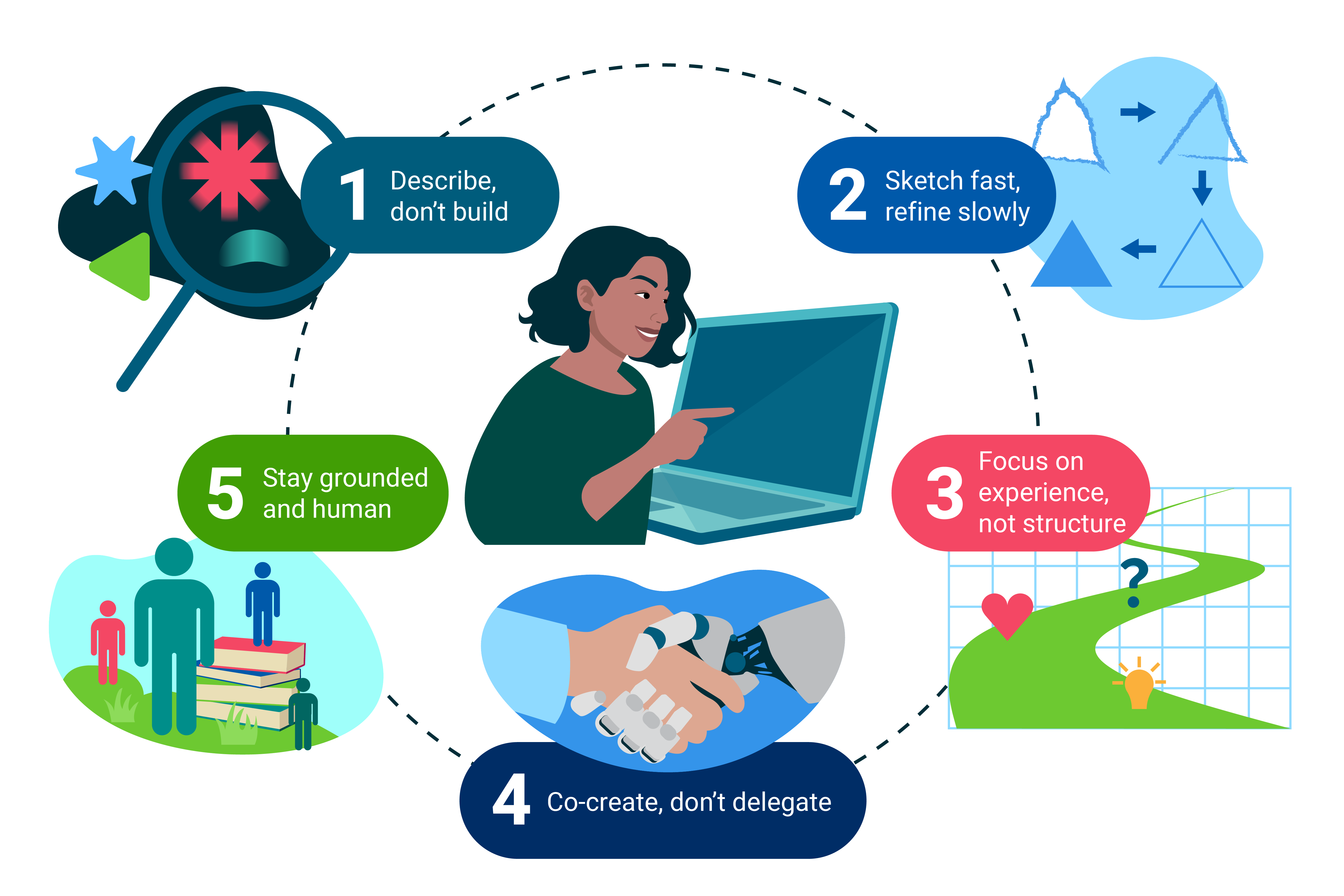
Vibe coding comes from software development. It means focusing on outcomes, not technical instructions.
In learning design, this approach helps you co-create with AI and stay focused on what matters—active learning, authentic experiences, and meeting learner needs.
In this episode of the Learning While Working Podcast, Bianca Baumann and Mike Taylor share insights from their latest book, ‘Think Like a Marketer, Train Like an L&D Pro: Strategies to Ignite Learning’, and dive into actionable strategies that L&D professionals can borrow from the world of marketing.
Discover why shifting your mindset from “order taker” to strategic business partner is essential for today’s L&D professionals. We also uncover how to personalise learning at scale, run effective learning campaigns, and apply marketing-inspired strategies to create learning experiences that resonate – and deliver results.